


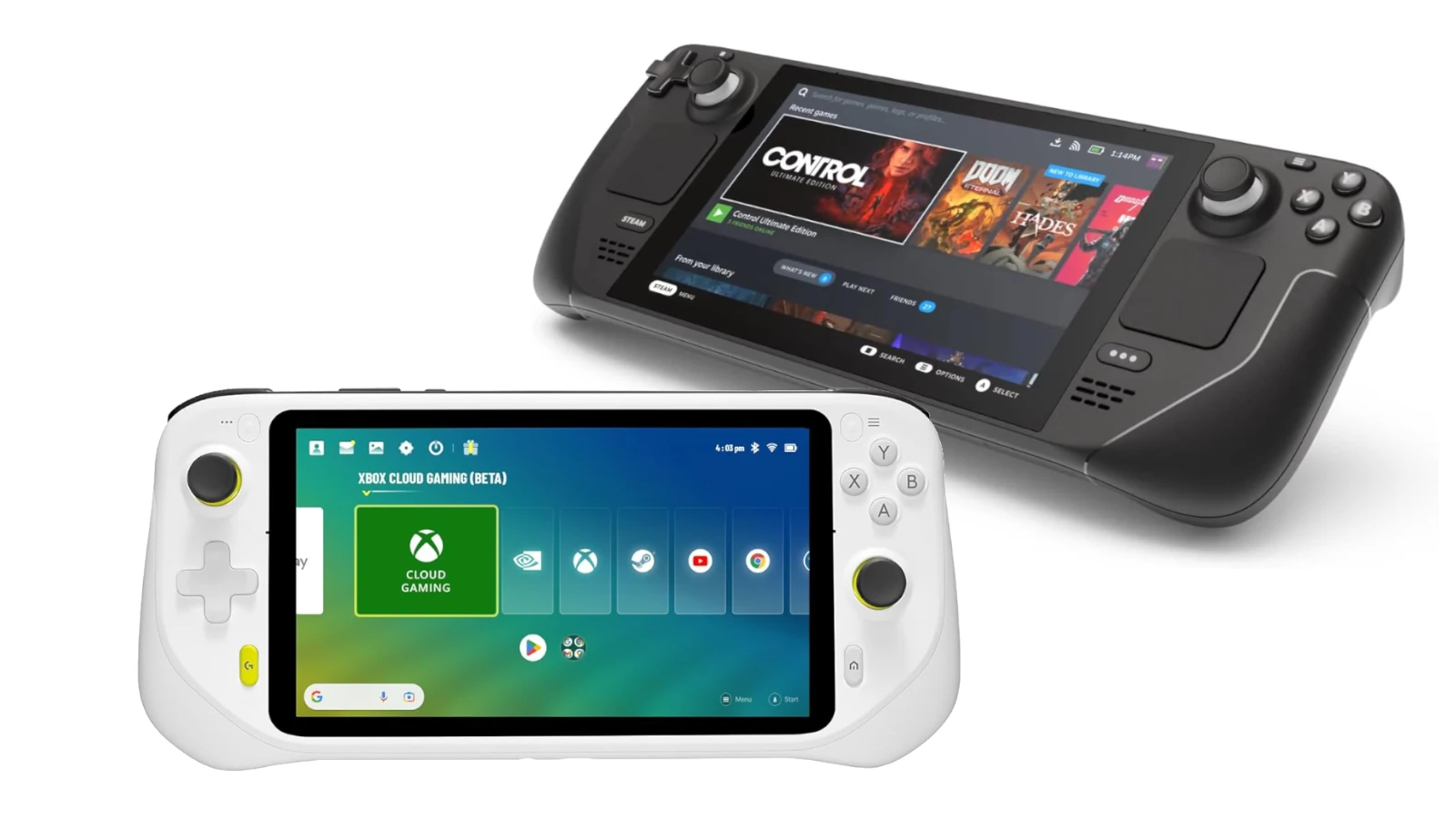
The world of serious handheld console gaming is undergoing a revolution. Gone are the days of bulky consoles tethered to TVs or lugging around a hefty gaming laptop. Today, gamers have a thrilling choice: embrace the ever-evolving realm of cloud gaming or revel in the raw power and local library of a dedicated gaming handheld console device.
Two titans stand at the forefront of this exciting shift: the Logitech G Cloud and Valve’s Steam Deck. The logitech G Cloud champions cloud game streaming services much like Xbox Game Pass, granting access to a vast library of games playable on a sleek, portable device – no hefty downloads required. The Steam Deck, on the other hand, boasts impressive hardware, allowing you to play your existing Steam games directly on the go, essentially transforming retro gaming handheld into a portable PC powerhouse.
But which device reigns supreme? Does the convenience of a cloud gaming device with its huge library of games outweigh the raw power and offline play capabilities of a dedicated gaming handheld? Is the G Cloud’s potential for good battery life a game-changer, or does the Steam Deck’s ability to handle even the most demanding PC games make it the ultimate choice? This in-depth analysis delves into the core functionalities, technical specifications, and crucial differences between these two devices, empowering you to make an informed decision and select android device is the ideal companion for your next portable gaming adventure.
Unveiling the Logitech G Cloud: A Cloud Gaming Handheld on the Horizon
The Logitech G Cloud is a highly anticipated cloud gaming handheld poised to enter the arena. Here’s a comprehensive breakdown of its key specs and details to help you decide if it aligns with most games your cloud gaming handheld needs: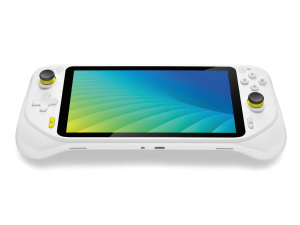
Core Functionality:
- Cloud-Centric Design: The G Cloud prioritizes streaming games from various cloud gaming services like Xbox Cloud Gaming and Google Play Pass. This eliminates the need for hefty game downloads and allows you to jump into games instantly with a stable internet connection.
Technical Specifications (Anticipated):
- Processor: Mid-range Qualcomm Snapdragon processor (potentially Snapdragon 720G) – Offers sufficient power for smooth cloud gaming performance.
- Memory: 4GB LPDDR4X RAM – Standard for most mid-range Android devices, adequate for cloud gaming.
- Storage: 64GB internal storage (expandable via microSD card) – Allows for downloaded games and app installations, with additional storage flexibility.
- Display: 7-inch touchscreen LCD panel (1920 x 1080 resolution, 60Hz refresh rate) – Provides a good balance between portability and screen size, delivers crisp visuals and smooth motion.
- Battery Life: Up to 12 hours (estimated) – Allows for extended on-the-go gaming sessions (may vary based on usage).
- Operating System: Android – Grants access to the vast library of Android games on the Google Play Store in addition to cloud gaming services.
- Connectivity: Wi-Fi for internet connection and game streaming, Bluetooth (likely) for wireless peripherals, USB-C port for charging and potentially connecting peripherals.
- Controls: Traditional gamepad layout (D-pad, face buttons, shoulder buttons, analog sticks) – Offers familiar and intuitive control for various game genres.
Additional Details:
- Portable Design: The G Cloud is expected to be lightweight and portable, making it ideal for on-the-go gaming.
- MicroSD Card Slot: Allows for expandable storage to accommodate additional downloadable games or downloaded save data from cloud services.
- Familiar Controls: The traditional gamepad layout ensures a comfortable and intuitive gaming experience for seasoned gamers and newcomers alike.
Potential Benefits:
- Convenience: Cloud gaming eliminates download times and allows for instant access to games with a stable internet connection.
- Accessibility: Opens doors to a vast library of games, including titles you might not be able to run on your existing devices.
- Portability: The lightweight design makes it ideal for taking your gaming on the go.
Considerations:
- Internet Reliance: Cloud gaming heavily relies on a stable and high-speed internet connection. Lag and input delay can significantly hinder gameplay if your connection is subpar.
- Limited Offline Play: Most cloud gaming services require an internet connection to play games. This might be a dealbreaker if you travel frequently or have limited internet access.
- Game Selection: Cloud gaming libraries may not offer the same breadth of titles as a traditional PC library. Additionally, specific games might not be available on all cloud gaming services.
Unveiling the Steam Deck: A Powerhouse PC Experience in Your Hands
The Steam Deck is a revolutionary handheld gaming device from Valve, offering a PC-like experience on the go. Here’s a deep dive into its specifications and details to help you determine if it aligns with your mobile gaming aspirations.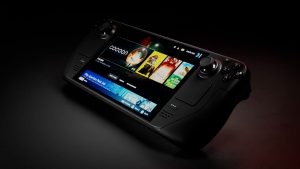
Core Functionality:
- Local Play: Unlike cloud gaming devices, the Steam Deck allows you to play your existing Steam library directly on the device, without relying on an internet connection. This grants immense freedom and the ability to play games anywhere, even in areas with limited or no internet access.
Technical Specifications:
- Processor: AMD Aerith (custom Zen 2 4-core/8-thread) or AMD Fenrir (custom Zen 3+ 4-core/8-thread) depending on model – Delivers powerful performance for demanding PC games.
- Memory: 16GB of LPDDR5 RAM – Ensures smooth multitasking and performance for modern games.
- Storage: 64GB eMMC, 256GB NVMe SSD, or 512GB NVMe SSD options – Provides ample storage space for your Steam library, with upgrade options for larger collections.
- Display: 7-inch touchscreen LCD panel (1280 x 800 resolution, 60Hz refresh rate) – Offers good portability and visibility, though some might prefer a higher resolution or refresh rate.
- Battery Life: Up to 8 hours (estimated) – Allows for decent on-the-go gaming sessions, but may vary depending on game type and settings.
- Operating System: SteamOS (Linux-based) – Provides compatibility with a wide range of PC games, although some titles might require tinkering or might not be natively playable.
- Connectivity: Wi-Fi for internet connectivity (optional for game downloads and online play), Bluetooth for connecting wireless peripherals, USB-C port for charging and connecting peripherals like docks or external displays.
- Controls: Traditional gamepad layout (D-pad, face buttons, shoulder buttons, analog sticks, haptic feedback) – Offers a familiar and immersive control scheme for various game genres.
Additional Details:
- Docking Capabilities (Sold Separately): A docking station allows you to connect the Steam Deck to a monitor, keyboard, and mouse, transforming it into a more traditional desktop PC experience.
- Expandable Storage: The Steam Deck includes built-in storage, and you can further expand it using a microSD card slot for additional game storage.
- Haptic Feedback: The Steam Deck features haptic feedback technology, offering an extra layer of immersion by simulating in-game actions and textures through vibrations.
Potential Benefits:
- Local Play: Play your existing Steam library anywhere, regardless of internet connection.
- Powerful Hardware: Enjoy demanding PC games on the go with impressive processing power and ample RAM.
- Open Platform: The Linux-based SteamOS allows for some degree of customization and potential installation of additional software or emulators.
Considerations:
- Bulkier Design: The Steam Deck’s powerful hardware necessitates a slightly larger and heavier design compared to cloud gaming devices.
- Higher Price Point: The Steam Deck typically comes at a higher cost compared to cloud gaming devices due to its more powerful hardware.
- Storage Management: Managing storage space becomes a concern with modern game file sizes. You might need to invest in additional microSD cards for a vast game library.
- Limited Game Selection (Potentially): While the Steam Deck boasts a vast potential library through Steam, some games might require compatibility tweaks or may not be natively playable.
The Great Gaming Divide: Cloud vs. Local
The core difference between the G Cloud and Steam Deck boils down to huge difference to the approach to playing games. Let’s delve deeper into the advantages and disadvantages of each approach:
Logitech G Cloud:
Advantages:
- Convenience: Cloud gaming eliminates the need for hefty downloads and allows you to jump into games instantly with a stable internet connection. This is ideal for those with limited storage space or who prefer a more streamlined gaming experience.
- Accessibility: Cloud gaming opens doors to a vast library of games, including titles you might not be able to run on your existing PC or mobile devices. This broadened accessibility allows you to try new genres and experiences without significant upfront investment.
- Portability: Cloud gaming devices tend to be lighter and more portable due to the lack of powerful hardware needed to run games locally. This makes them ideal for on-the-go gaming sessions.
Disadvantages:
- Internet Reliance: Cloud gaming heavily relies on a stable and high-speed internet connection. Lag, stuttering, and input delay can significantly hinder the gameplay experience if your connection is subpar.
- Limited Offline Play: Most cloud gaming services require an internet connection to play games. This can be a dealbreaker for those who travel frequently or have limited internet access in certain locations.
- Game Selection: Cloud gaming libraries may not offer the same breadth of titles as a traditional PC library. Additionally, specific games might not be available on all cloud gaming services.
Steam Deck:
Advantages:
- Powerhouse Performance: The Steam Deck packs a punch with its powerful hardware, allowing you to play demanding PC games on the go. This opens doors to a wider range of titles and ensures smooth gameplay performance even for graphically intensive games.
- Offline Play: A significant advantage of the Steam Deck is its ability to run games locally without an internet connection. This allows you to play your Steam library anywhere, regardless of internet availability.
- Vast Game Library: The Steam Deck offers access to your existing Steam library, potentially housing hundreds of games you already own. This eliminates the need to repurchase games for the handheld device.
- Customization: The open nature of the SteamOS allows for a degree of customization, potentially enabling you to install additional software or emulators to expand your gaming options.
Disadvantages:
- Bulkier Design: The Steam Deck’s powerful hardware necessitates a slightly larger and heavier design compared to cloud gaming devices like the G Cloud. This might be a factor for those prioritizing extreme portability.
- Higher Price Point: The Steam Deck typically comes at a higher price point compared to the G Cloud. This is due to the more powerful hardware needed to run games locally.
- Storage Management: Managing storage space becomes a concern with the Steam Deck, especially with large modern game file sizes. You might need to invest in additional microSD cards to expand your storage capacity.
Choosing Your Champion: A Tale of Needs and Preferences
The ideal gaming handhelds device ultimately depends on your individual needs and gaming preferences:
The Logitech G Cloud is a perfect choice for you if:
- You prioritize portability and convenience.
- You have a stable and high-speed internet connection.
- You’re interested in a wide variety of games, including Android titles.
- Budget is a significant concern.
The Steam Deck is a better fit for you if:
- You value local play and the ability to play games offline.
- You have an extensive Steam library and want to play those games on the go.
- Powerful hardware and the ability to run demanding PC titles are crucial.
- You don’t mind the slightly bulkier design and higher price point.
Beyond the Specs: Additional Considerations
Before making your final decision, consider these additional factors:
- Existing Game Library: Evaluate your current gaming library and platform preferences. If you have a vast Steam library, the Steam Deck becomes a compelling choice. If you primarily play mobile games or utilize various cloud gaming services, the G Cloud might be more suitable.
- Internet Connection: If you have a reliable and high-speed internet connection, the limitations of cloud gaming become less of a concern. However, if consistent internet access is a challenge, the Steam Deck’s offline play capabilities become a significant advantage.
- Future-Proofing: Consider your long-term gaming aspirations. If you envision yourself primarily playing cloud games in the future, the G Cloud could be a more future-proof choice, as cloud gaming technology continues to evolve.
Conclusion: Choosing Your Handheld Gaming Destiny
The battle between the Logitech G Cloud and Valve’s Steam Deck is a clash between philosophies. The logitech G Cloud champions convenience and accessibility, acting as a gateway to a vast world of games through cloud streaming services like Xbox Game Pass. Its portability, potential long battery life, and ability to play Android games make it a compelling option for casual gamers or those who prioritize ease of access.
However, the Steam Deck reigns supreme for those seeking a powerhouse experience. Its impressive specs allow you to play demanding PC games on the go, offering a console-like experience in a portable form factor. The ability to stream games, access your existing Steam library and play offline are undeniable advantages, especially for those with unreliable internet access or a deep investment in PC gaming.
Ultimately, the “better” device boils down to your individual gaming needs and preferences. Consider your existing game library, internet connection stability, and long-term gaming aspirations. If portability, remote play app and a vast library of cloud-streamed games are paramount, the G Cloud could be your champion. If raw power, offline play, and access to other game streaming services like your Steam library are your priorities, the Steam Deck beckons.
The future of handheld gaming is bright. Both cloud gaming and dedicated handheld gaming devices like the Steam Deck are poised for exciting advancements. Imagine seamlessly streaming cutting-edge PC titles on a cloud gaming handheld device with minimal to no lag, or a handheld boasting desktop-grade performance capable of running the most demanding games with stunning visuals. The possibilities for steam deck and other handhelds are endless.
So, research thoroughly, prioritize your needs, and embark on your next handheld gaming adventure with the knowledge that you’ve chosen the ideal companion for your journey. Whether you soar through the cloud with the G Cloud or dominate local campaigns on the Steam Deck, the key is to embrace the freedom and excitement of portable gaming. After all, the most important factor isn’t which device reigns supreme, but the joy of experiencing incredible games wherever you may be.
 (No Ratings Yet)
 Loading...
